
trustprotect.fr: Secure Peer-to-Peer Transactions Explained
A practical guide to trustprotect.fr, how its secured payment flow works, what Stripe provides, and how to use the platform safely.
trustprotect.fr: Secure Peer-to-Peer Transactions Explained
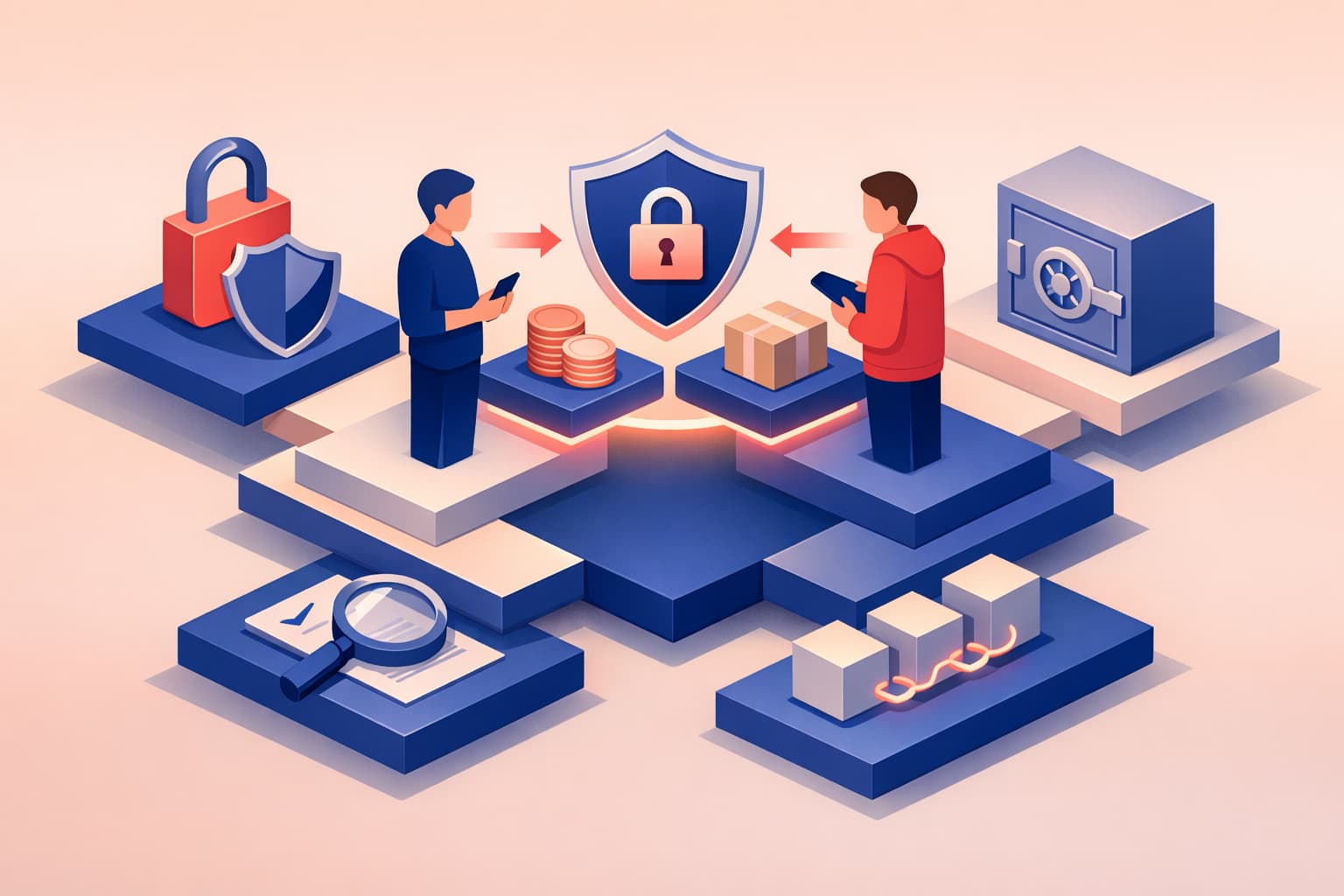
trustprotect.fr is a technical intermediation platform designed to make peer-to-peer transactions more secure and easier to manage. It helps buyers and sellers structure a transaction with identity checks, documented steps, and a secured payment flow. Payment services are provided by Stripe through Stripe Connect Express, while TrustProtect coordinates the transaction process. This guide explains how the platform works, what it does, and what users should verify before completing a deal.
What is trustprotect.fr and what does it do?
trustprotect.fr is built for people who want more structure and security when buying or selling directly with another person. Instead of relying on informal messages and unverified transfers, users follow a documented transaction path with clear roles and checkpoints.
The platform acts as a technical intermediation layer between the parties. It does not present itself as a payment institution, and payment services are provided by Stripe through Stripe Connect Express.
In practical terms, the platform helps users:
- identify the buyer and seller
- define the transaction amount and conditions
- document delivery or handover steps
- use a secured payment flow connected to Stripe
- keep a traceable record of the transaction lifecycle
This matters because many peer-to-peer disputes come from ambiguity. When the item condition, delivery method, timeline, or identity of the counterparty is unclear, the risk of fraud or conflict rises quickly.
Who typically uses the platform?
The platform is relevant for private individuals and independent sellers handling higher-risk or higher-value transactions. It is especially useful when the parties do not know each other and want a more formal process.
Typical use cases include:
- second-hand high-value goods
- vehicle-related transactions
- collectibles or luxury items
- electronics sold between individuals
- remote transactions requiring documented proof
Why not just use a bank transfer?
A direct transfer may be simple, but it often lacks transaction-specific safeguards. If a dispute appears, the parties may have little evidence beyond chat messages and a payment confirmation.
A structured platform introduces a clearer framework. That can make fraud attempts harder and legitimate transactions easier to complete with confidence.
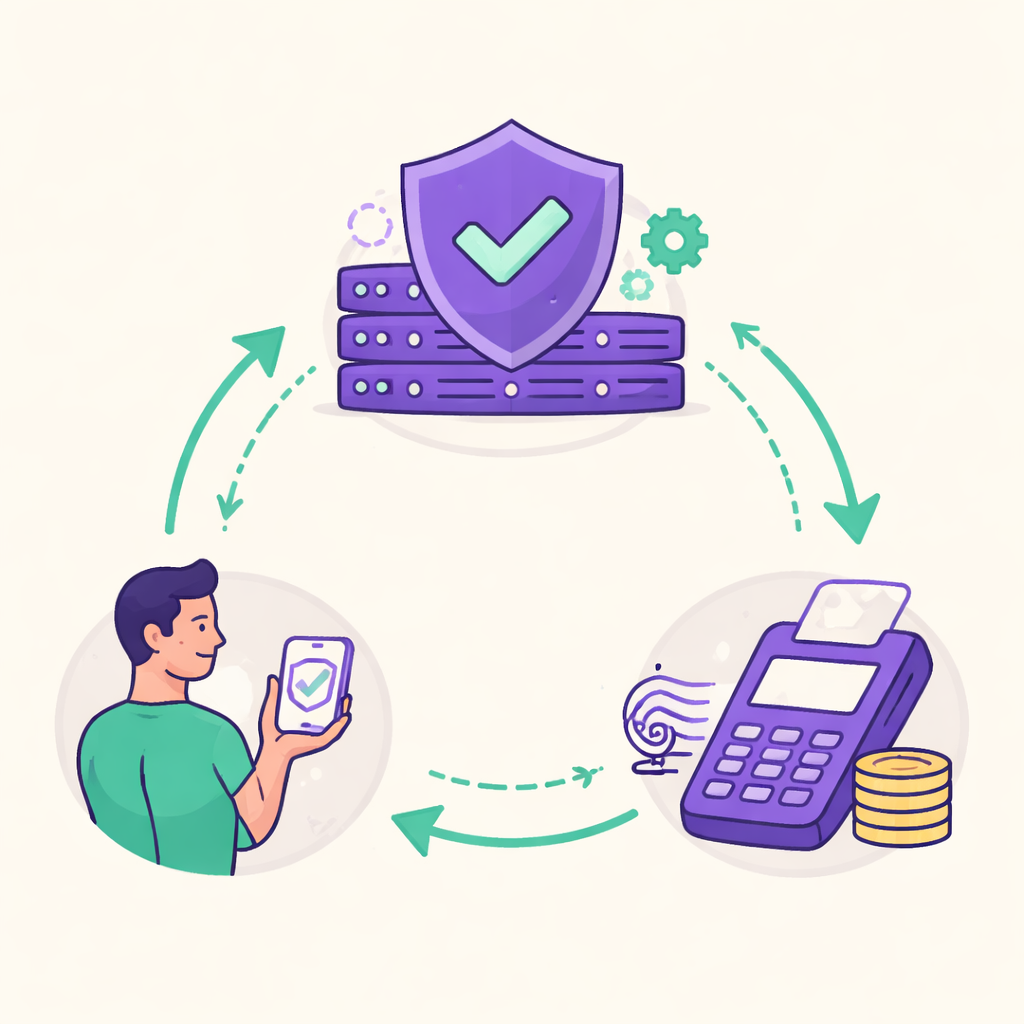
Illustration pour "What is trustprotect.fr and what does it do?"
How the trustprotect.fr secured payment flow works
The trustprotect.fr process is designed to break a risky peer-to-peer transaction into verifiable steps. Each step creates more clarity for both parties and reduces the chance of misunderstandings.
Although the exact workflow can vary depending on the transaction type, the logic usually follows a consistent sequence:
- the parties agree on the item or service
- one party initiates the transaction on the platform
- identity and transaction details are submitted
- payment services are processed by Stripe
- delivery, inspection, or handover is documented
- the transaction is finalized according to the agreed conditions
The strength of the model is traceability. Instead of relying on fragmented emails, SMS messages, and screenshots, the transaction can be managed in one documented environment.
Step 1: Transaction setup
The first stage is defining the transaction clearly. That includes the amount, the identity of the parties, the object of the sale, and any conditions linked to delivery or inspection.
This stage is essential because vague terms create disputes. A precise setup gives both sides a common reference point.
Step 2: Identity and compliance checks
To reduce fraud, users may be asked to provide verification information. This can help confirm that the parties are real and that the transaction aligns with compliance requirements.
For higher-risk transactions, stronger verification is often a benefit rather than a burden. It discourages fake profiles and improves accountability.
Step 3: Payment processing via Stripe
Payment services are provided by Stripe through Stripe Connect Express. This means the payment component is handled by a specialized provider rather than by TrustProtect itself.
That distinction is important for legal clarity. TrustProtect coordinates the transaction experience, while Stripe provides the payment services infrastructure.
Step 4: Delivery, handover, or validation
Once the transaction is underway, the platform helps frame the next operational step. Depending on the use case, this may involve shipping, in-person handover, proof of receipt, or another agreed validation event.
A documented validation stage reduces confusion. Both parties know what must happen before the transaction is considered complete.

Illustration pour "How the trustprotect.fr secured payment flow works"
Why trustprotect.fr can reduce fraud in peer-to-peer deals
Fraud in peer-to-peer transactions often depends on speed, pressure, and lack of verification. Scammers try to push the other party into acting before checking identity, payment legitimacy, or delivery conditions.
trustprotect.fr addresses these weak points by introducing process discipline. It slows the transaction down just enough to make key checks possible without making the experience unnecessarily complex.
The fraud-reduction logic usually relies on several factors:
- verified user information
- clearer evidence trails
- defined transaction milestones
- reduced reliance on informal payment methods
- fewer opportunities for fake urgency tactics
This does not mean every transaction is automatically safe. Users still need common-sense judgment, especially when a price seems unrealistic or a counterparty avoids normal verification steps.
Common scam patterns the platform helps address
Many online scams follow repeatable patterns. The seller may disappear after receiving payment, or the buyer may send fake proof of transfer and demand immediate shipment.
A structured transaction environment helps counter patterns such as:
- fake payment confirmations
- identity impersonation
- last-minute changes to delivery terms
- pressure to communicate off-platform
- disputes caused by undocumented item condition
Why documentation matters in disputes
When a disagreement happens, evidence becomes critical. A platform that centralizes transaction details gives both parties a stronger factual record.
That record can include the agreed amount, user identity data, timestamps, and transaction status. Even when a dispute is not fully avoided, better documentation usually leads to faster clarification.
trustprotect.fr vs direct payment methods: key differences
Not every transaction needs a technical intermediation platform. For low-value exchanges between people who already know each other, a simple payment method may be enough.
However, for remote, high-value, or trust-sensitive deals, the difference between an informal payment and a structured process can be significant. The table below highlights the main distinctions.
| Criteria | trustprotect.fr | Direct bank transfer | Cash in person |
|---|---|---|---|
| Transaction structure | High | Low | Low |
| Identity verification support | Yes, depending on flow | Usually external | Minimal |
| Documented milestones | Yes | No | No |
| Payment services provider | Stripe | Bank | None |
| Traceability | Stronger | Moderate | Weak |
| Suitable for remote deals | Yes | Limited | No |
The key takeaway is that trustprotect.fr is not simply another way to send money. It is a way to organize a transaction so that payment, verification, and proof are aligned.
When a direct transfer may still be acceptable
A direct transfer can be reasonable when the amount is modest and both parties know each other well. It may also be practical for repeat transactions with an established history.
Even then, users should keep written proof of what was agreed. Informality is convenient, but it can become a problem if expectations diverge.
When a structured platform is the better choice
A platform-based process is generally better when the item is expensive, the parties are strangers, or the transaction happens remotely. It is also useful when delivery conditions or product authenticity need to be documented.
In those cases, process quality is part of transaction security. That is where a technical intermediation platform adds real value.
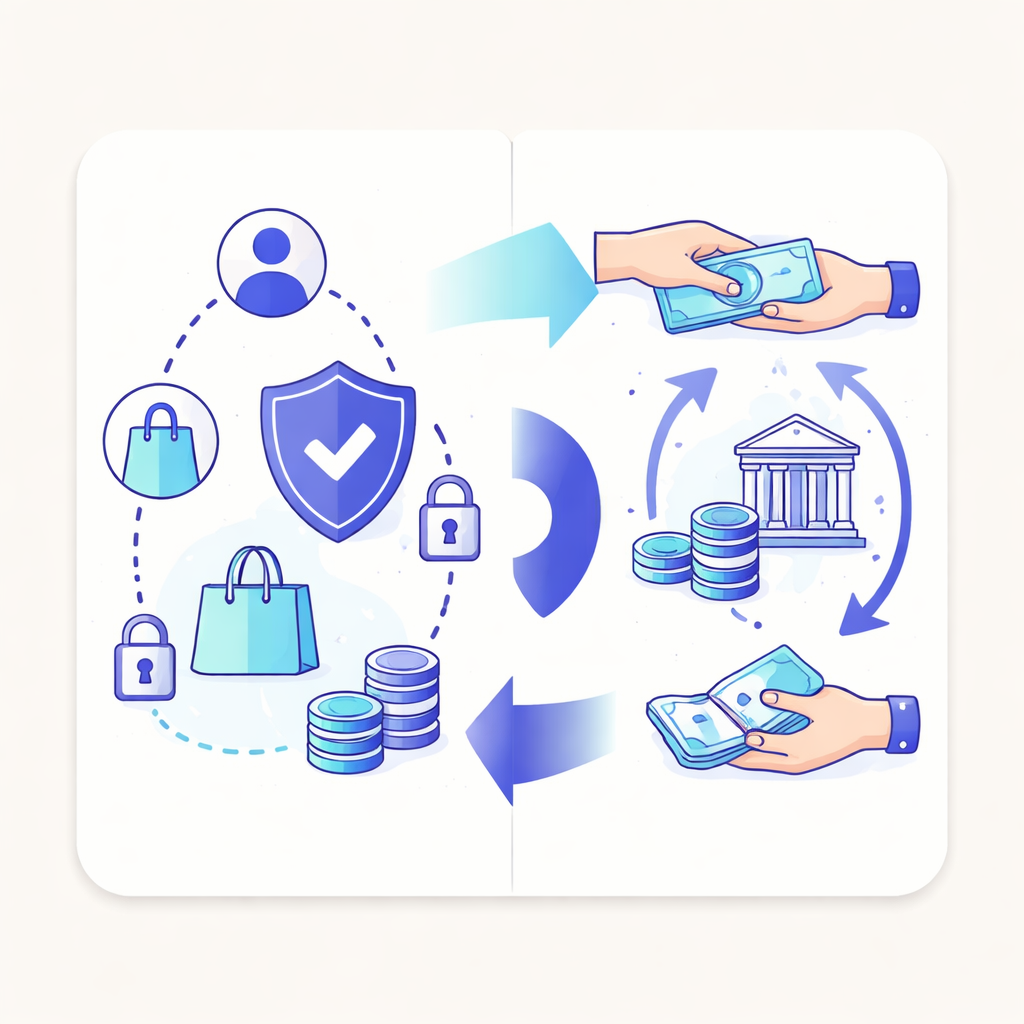
Illustration pour "trustprotect.fr vs direct payment methods: key differences"
Who should use trustprotect.fr?
trustprotect.fr is most relevant for users who need more than a simple payment link or informal agreement. It is designed for situations where trust must be built through process, not assumed from the start.
The platform can be especially helpful for:
- buyers purchasing high-value second-hand goods
- sellers shipping items to unknown buyers
- individuals handling cross-city or remote transactions
- users who want documented proof at each stage
- parties seeking a clearer and more professional transaction flow
This does not mean every sale requires that level of structure. But when the downside of fraud or dispute is meaningful, a more controlled process is often worth it.
Good fit for buyers
Buyers benefit from clearer transaction terms and a more traceable process. That can be useful when purchasing electronics, vehicles, watches, collectibles, or other items where condition and authenticity matter.
A buyer should still perform due diligence. The platform supports safer execution, but it does not replace inspection, research, or price comparison.
Good fit for sellers
Sellers often face fake buyers, forged payment proofs, and pressure to ship too quickly. A structured transaction flow can reduce those risks and create a more reliable path to completion.
For serious sellers, process quality also improves credibility. A buyer is more likely to proceed when the transaction framework feels transparent and professional.
How to use trustprotect.fr safely: best practices
Even with a secure framework, user behavior still matters. The safest transactions happen when both parties combine platform safeguards with disciplined verification habits.
Here are the best practices that matter most:
- keep all key communication tied to the transaction record
- verify the item description before agreeing to terms
- review names, amounts, and delivery details carefully
- never rush because of pressure from the other party
- avoid moving the payment outside the platform flow
- keep screenshots and supporting documents when relevant
If something feels inconsistent, pause the transaction. Unusual urgency, refusal to verify identity, or contradictory information should always be treated as warning signs.
Red flags buyers should watch for
Buyers should be cautious when the seller avoids specific questions, refuses to provide supporting details, or offers a price far below market value. These patterns often indicate either fraud or a hidden issue with the item.
Other warning signs include:
- inconsistent photos or descriptions
- pressure to complete the deal immediately
- requests to bypass the platform
- reluctance to document delivery terms
Red flags sellers should watch for
Sellers should be alert when a buyer insists on unusual payment methods, sends suspicious proof of transfer, or changes the delivery address unexpectedly. Fraud attempts often rely on confusion and speed.
A seller should also be careful if the buyer refuses standard verification steps. Legitimate buyers usually accept a secure and documented process.
Fees, trust, and transparency on trustprotect.fr
One of the main questions users ask is whether the added structure is worth the cost. The answer depends on the transaction value, the fraud risk, and the importance of having a documented process.
In many cases, users are not paying only for payment routing. They are paying for a more secure transaction framework that can reduce loss exposure, save time in disputes, and improve confidence between strangers.
When evaluating the platform, users should look at:
- the total transaction value
- the likelihood and cost of fraud
- the complexity of delivery or inspection
- the need for identity verification
- the value of a traceable process
Transparency is also about understanding roles. TrustProtect provides the technical intermediation platform, while payment services are provided by Stripe. That separation helps users understand who does what in the transaction chain.
Why role clarity matters
Users should know which entity provides which service. This avoids confusion about responsibilities and creates a more accurate understanding of the transaction model.
In practical terms, TrustProtect manages the transaction framework and user flow. Stripe provides the payment services layer through Stripe Connect Express.
Is trustprotect.fr legitimate? What users should verify
A common search intent behind the keyword is whether the platform is legitimate and safe to use. The best answer is to evaluate legitimacy through transparent criteria rather than assumptions.
Users should verify several points before starting a transaction:
- the website identity and domain consistency
- the clarity of legal information and terms
- the explanation of how payment services are provided by Stripe
- the presence of a documented transaction process
- the quality of support and user guidance
A legitimate platform explains its role clearly. It does not create confusion about being a payment institution if payment services are actually provided by a third party such as Stripe.
Users should also review the transaction itself, not just the platform. A legitimate tool can still be misused by a dishonest counterparty if basic precautions are ignored.
Checklist before you proceed
Before confirming a transaction, take a final minute to review the essentials:
- Is the item or service clearly described?
- Are the buyer and seller details consistent?
- Are the amount and conditions correct?
- Is the communication coherent and professional?
- Are you staying within the platform flow?
This short review catches many avoidable mistakes. It is one of the simplest ways to improve transaction safety.
Questions fréquentes
What is trustprotect.fr used for?
trustprotect.fr is used to structure and secure peer-to-peer transactions between buyers and sellers. It provides a technical intermediation platform with verification steps, documented milestones, and a secured payment flow, while payment services are provided by Stripe.
Is trustprotect.fr legit?
The right way to assess legitimacy is to check the platform's legal clarity, transaction process, and payment provider disclosures. A key point is that TrustProtect presents itself as a technical intermediation platform, while payment services are provided by Stripe through Stripe Connect Express.
How does payment work on trustprotect.fr?
Payment on trustprotect.fr is handled through a secured payment flow connected to Stripe Connect Express. TrustProtect organizes the transaction process, while Stripe provides the payment services component.
Is trustprotect.fr safe for buyers?
It can be safer than an informal direct deal because the transaction is more structured and traceable. Buyers should still verify the item, review the terms carefully, and avoid any request to move the transaction outside the platform.
Is trustprotect.fr safe for sellers?
It can help sellers reduce risks such as fake payment proofs, identity issues, and undocumented delivery disputes. Sellers should still confirm transaction details carefully and follow the platform process without shortcuts.
Does trustprotect.fr work for high-value transactions?
Yes, that is one of the most relevant use cases for trustprotect.fr. The platform is particularly useful when the amount is significant, the parties do not know each other, or the transaction requires stronger documentation.
Why use trustprotect.fr instead of a bank transfer?
A bank transfer moves money, but it usually does not structure the transaction itself. trustprotect.fr adds verification, documented milestones, and a clearer process, which can be valuable in remote or high-risk peer-to-peer deals.
Conclusion
trustprotect.fr is best understood as a technical intermediation platform for safer peer-to-peer transactions. Its value comes from combining identity checks, documented transaction steps, and a secured payment flow, while payment services are provided by Stripe through Stripe Connect Express.
For buyers and sellers dealing with strangers, distance, or higher-value items, that structure can make a major difference. It does not eliminate all risk, but it creates a clearer framework for trust, proof, and execution.
Key points to remember:
- trustprotect.fr is not a payment institution
- payment services are provided by Stripe
- the platform helps organize and document the transaction
- it is especially useful for remote or high-value deals
- users should still verify the counterparty, item, and terms carefully
If your transaction involves uncertainty, complexity, or meaningful financial risk, trustprotect.fr offers a more disciplined alternative to informal payment methods. In peer-to-peer commerce, better process often means better protection.
Protect your next transaction with TrustProtect
Payment held by Stripe until validation. Buyer protected, seller paid upon validation.
Create a free accountReady to secure your next transaction?
TrustProtect organizes a secure journey between buyer and seller. Payment via Stripe, validation on the platform.