
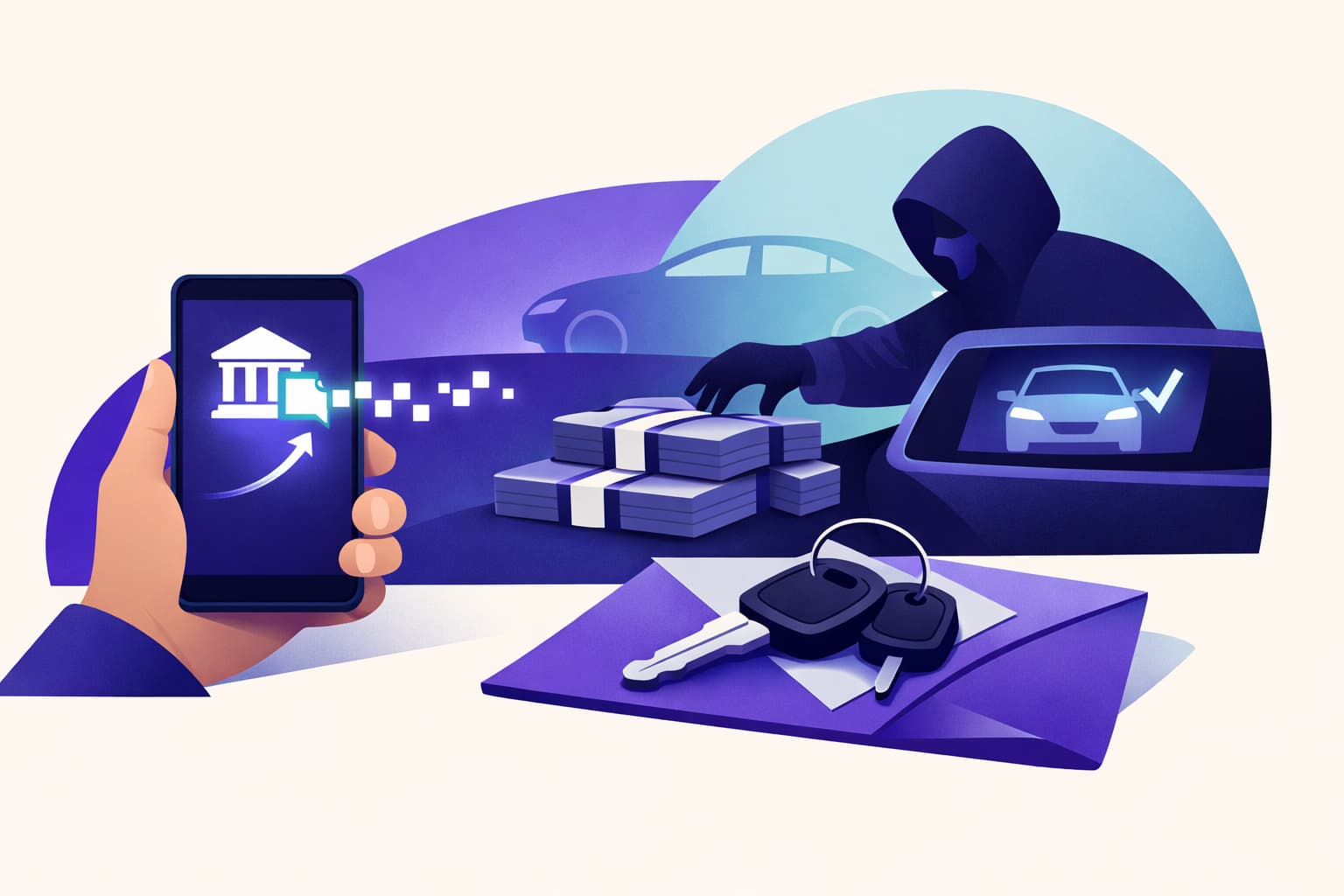
Wire Transfer Scam in a Private Car Sale: How to Avoid It
Selling a car privately can attract fraudsters using fake wire transfers, overpayment tricks, and overseas buyer stories. Here is how to spot the scam early and protect the deal.
Wire Transfer Scam in a Private Car Sale: How to Avoid It
Wire transfer scam private car sale schemes usually start with a buyer who sounds serious, moves fast, and pushes a payment method that is hard to verify. Private vehicle transactions are attractive to scammers because the amounts are high and sellers often feel pressure to close quickly. If you know the common scripts, payment red flags, and safer transaction steps, you can avoid losing both the car and the money.
What is a wire transfer scam private car sale?
A wire transfer scam private car sale is a fraud in which a buyer pretends to pay for a vehicle by bank wire, then uses urgency, fake proof, or overpayment claims to trick the seller into handing over the car or sending money back. The scam often relies on the fact that many private sellers do not deal with large transactions often and may trust screenshots, emails, or verbal assurances.
The fraud can happen before, during, or after the supposed payment. In some cases, no money was ever sent. In others, the seller is shown a fake confirmation while the buyer pressures them to release the vehicle immediately.
Typical versions include:
- a fake bank transfer confirmation
- an "overseas buyer" who cannot inspect the car in person
- a buyer who overpays and asks for the difference back
- a third-party shipping company that must be paid first
- a hacked email thread that changes payment instructions
Why private car sellers are targeted
Private sellers often handle a single high-value transaction without the checks a dealership would use. That makes them more vulnerable to social engineering and payment fraud.
Scammers know sellers may be eager to close quickly, especially if the car has been listed for weeks. They exploit that pressure with messages that sound professional and time-sensitive.
How the scam usually works from first contact to vehicle pickup
Most fraud attempts follow a predictable sequence. Recognizing the pattern early is one of the best defenses.
A scammer often contacts the seller soon after the listing goes live. They may agree to the asking price immediately, avoid detailed questions about the car, and move the conversation off the marketplace platform.
The usual flow looks like this:
- they express strong interest very quickly
- they claim they are busy, abroad, deployed, or buying for a relative
- they insist on a wire transfer or send a payment screenshot
- they create urgency around pickup, shipping, or document signing
- they ask the seller to refund an excess amount or pay a transporter
The scam succeeds when the seller relies on what the buyer shows them instead of what their bank independently confirms. A screenshot, email receipt, or text message is never enough proof that funds are truly available and irreversible.
Stage 1: The buyer builds trust fast
The first message is often polite, concise, and unusually decisive. The buyer may say they are ready to purchase today and do not want to negotiate.
That can feel like good luck, but it is often the first red flag. Real buyers usually ask about mileage, service history, title status, accident history, and any known defects.
Stage 2: Payment proof appears before real verification
The scammer sends what looks like a transfer receipt, banking app screenshot, or email from a financial institution. The document may include logos, reference numbers, and realistic formatting.
None of that proves the transfer has settled. Sellers should verify funds by contacting their bank through official channels, not by replying to an email or calling a number provided by the buyer.
Stage 3: Pressure to hand over the car
Once the fake proof is sent, the buyer pushes for immediate release of the vehicle. They may say a driver is already on the way or that shipping has been booked.
This is the point where many losses happen. The seller assumes the payment is secure and signs over the title before the bank confirms cleared funds.
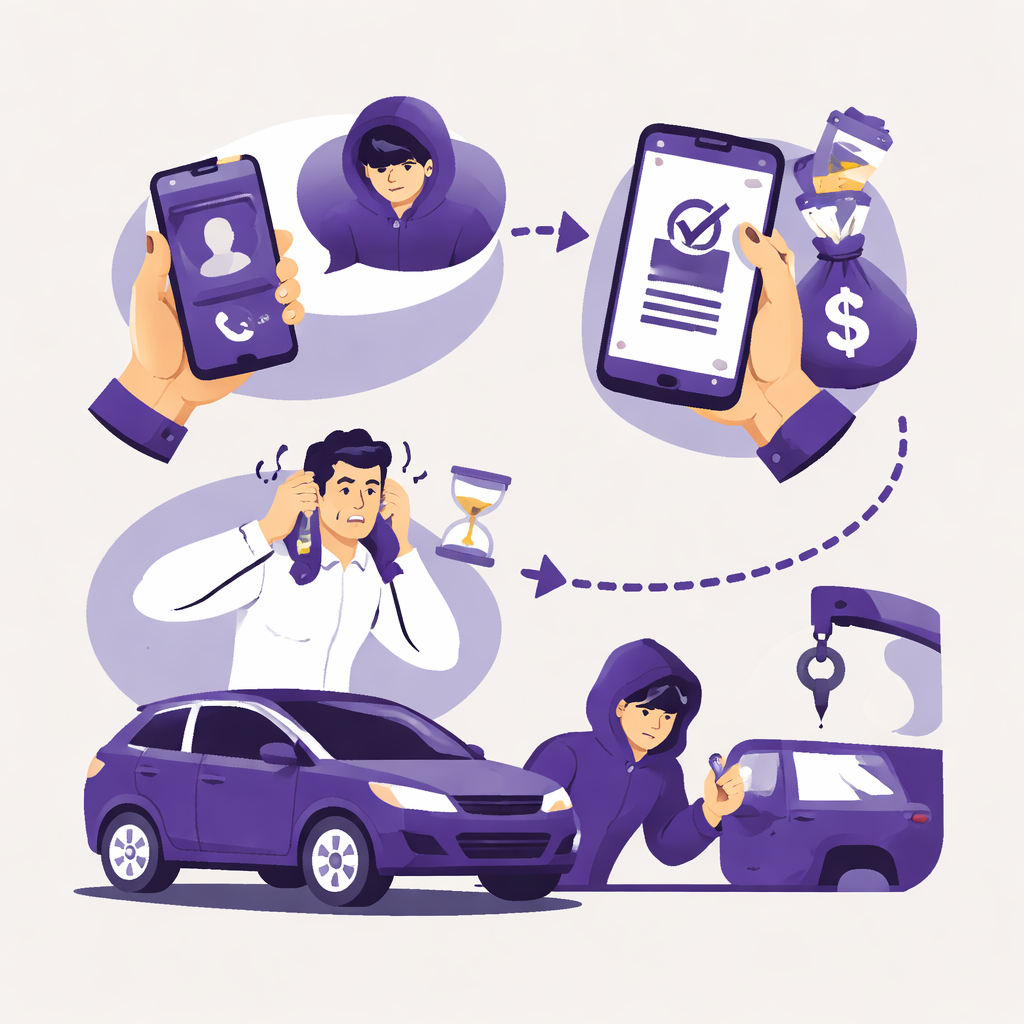
Illustration pour "How the scam usually works from first contact to vehicle pickup"
Top wire transfer fraud signs every seller should know
The clearest wire transfer fraud signs are behavioral, not technical. Fraudsters reveal themselves through inconsistent stories, unusual urgency, and payment requests that do not fit a normal private sale.
Watch for these warning signs:
- the buyer agrees to the price instantly without negotiation
- they avoid a phone call or refuse video verification
- they claim to be overseas, on military duty, offshore, or traveling
- they want a shipper or agent to collect the car
- they send proof of payment before your bank confirms anything
- they ask you to refund part of the money
- they push you to communicate only by email or messaging apps
- they use poor explanations for why they cannot inspect the car
Another major clue is mismatched identity information. If the buyer's name, email, pickup contact, and supposed payer are all different, stop the transaction until everything is verified.
A legitimate buyer should be able to explain:
- who is paying
- who is collecting the vehicle
- where the car is going
- when title transfer will occur
- how identity and ownership will be verified
Suspicious language and scripts
Many scam messages sound generic because they are reused across listings. You may see phrases like "final price," "kindly send your details," or "my mover will pick it up" with little reference to the actual vehicle.
If the buyer could send the same message to someone selling furniture, electronics, or a boat, treat it as a warning.
The overseas wire transfer scam: why this story is so common
The overseas wire transfer scam is one of the oldest private sale fraud patterns. The buyer claims to be abroad for work, military service, family reasons, or shipping logistics, and says they cannot inspect the car personally.
This story helps the scammer justify several unusual requests at once. It explains why they cannot meet, why a third party will collect the vehicle, and why they need the seller to trust remote payment proof.
Common overseas buyer claims include:
- "I am currently out of the country"
- "I work on an offshore platform"
- "I am deployed and cannot call"
- "My shipping agent will handle pickup"
- "I will transfer the funds today from my international account"
A real remote buyer will usually accept reasonable safeguards. They should be willing to provide identification, sign a clear bill of sale, wait for confirmed funds, and follow a documented transaction process.
A scammer will resist any step that slows them down or requires independent verification.
Why overseas stories pressure sellers
The overseas angle creates artificial complexity. Sellers may feel they need to be flexible because the buyer is in a difficult situation.
That emotional pressure is intentional. It shifts attention away from the core question: has the payment been independently verified and has the buyer's identity been confirmed?
How the fake buyer overpay scam works in a car transaction
The fake buyer overpay scam is especially dangerous because it turns the seller into the person sending money. The buyer claims to have paid too much by mistake, or says the extra amount is meant for shipping, taxes, or an agent.
The seller is then asked to forward the difference to a transporter, relative, or service provider. Later, the original payment turns out to be fake, reversed, or never actually settled.
A typical overpayment script looks like this:
- the car is listed for $12,000
- the buyer claims to have sent $14,500
- they say $2,500 is for the shipping company
- they ask you to send that amount onward immediately
- the original transfer proof later proves false or invalid
This scam works because the seller believes they are simply passing along money that already belongs to the buyer. In reality, they are sending their own funds.
The safest rule is simple: never refund, forward, or redistribute money connected to a vehicle sale until your bank confirms the funds are fully cleared and the transaction details make sense.
Why overpayment requests are almost never legitimate
Serious buyers do not accidentally send thousands extra in a structured vehicle purchase. If a real mistake happens, the correct response is to pause the deal and let the payer resolve it directly through their bank.
The seller should never become the middleman for shipping fees, customs charges, or third-party reimbursements.
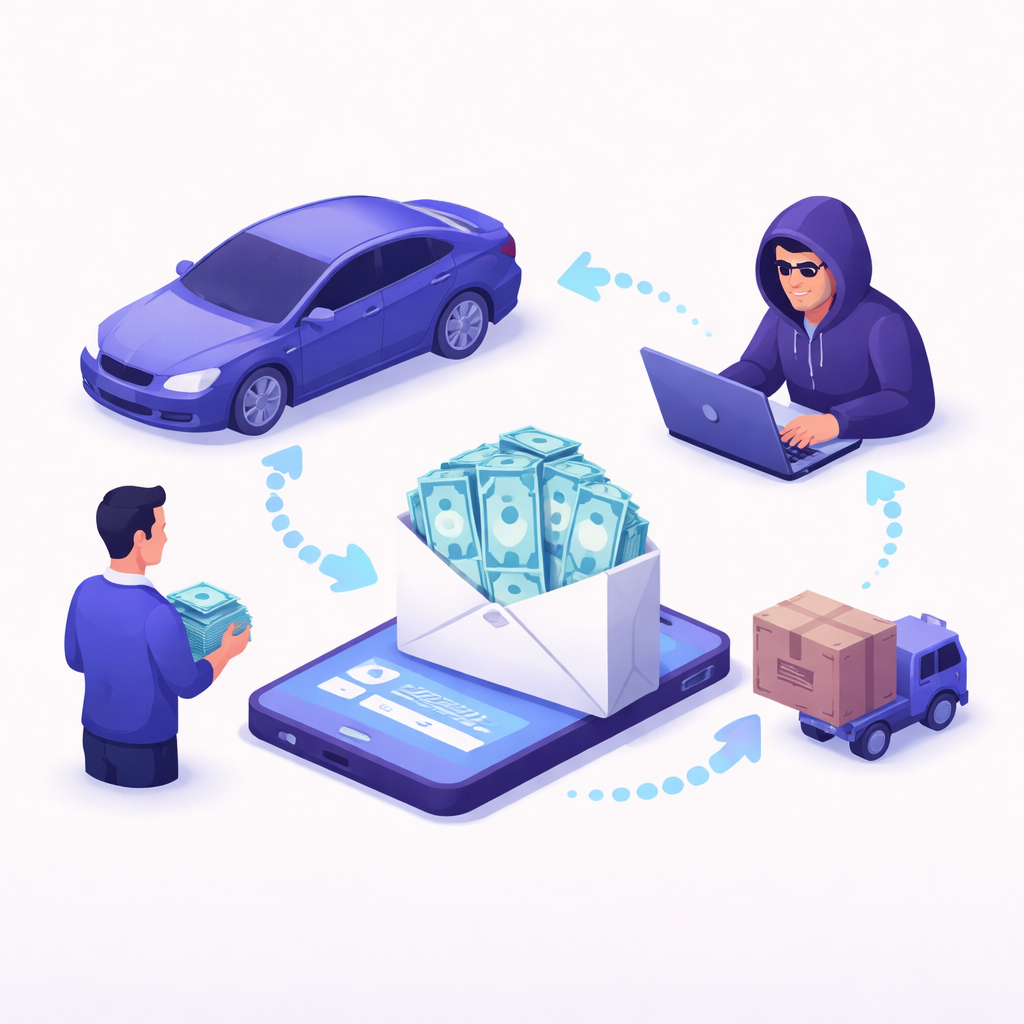
Illustration pour "How the fake buyer overpay scam works in a car transaction"
Safer ways to get paid in a wire transfer scam private car sale context
If you are selling a vehicle privately, the goal is not just getting paid. It is getting paid through a process that reduces fraud risk, documents the transaction clearly, and avoids reliance on unverifiable promises.
The safest approach is to use a documented, step-by-step transaction flow where identity, vehicle details, and payment status are checked before handover. A technical intermediation platform can support this with a secured payment flow, while payment services are provided by Stripe.
Here is a practical comparison of common options:
| Payment method | Main advantage | Main risk | Best use case |
|---|---|---|---|
| Cash in person | Immediate and simple | Counterfeit notes, personal safety issues | Lower-value local sales in secure public settings |
| Direct bank wire | Familiar for large amounts | Fake confirmations, pressure before funds clear | Only when both parties verify through official bank channels |
| Cashier's check | Common in vehicle sales | Counterfeit checks, delayed detection | Only with bank verification before handover |
| Secured payment flow via technical intermediation platform | Clear process, identity and transaction documentation | Requires both parties to follow the platform steps | Higher-value private sales needing more structure |
- verifying the buyer's identity before finalizing
- matching the payer name to the buyer and sale documents
- confirming funds through official channels only
- refusing third-party payment chains
- releasing the vehicle only after all checks are complete
Why process matters more than payment labels
Scammers often hide behind familiar payment terms. A "wire transfer" sounds formal and secure, but the real issue is whether the seller verified the transaction correctly.
A safer sale depends on documentation, timing, identity matching, and a controlled handover process. Those steps matter more than the payment label alone.
A secure checklist before you hand over the car and title
Before releasing the vehicle, use a written checklist. This reduces emotional decision-making and helps you catch inconsistencies.
Your pre-handover checklist should include:
- verify the buyer's full legal identity
- confirm the payer name matches the buyer or documented authorized party
- confirm the VIN, sale price, and vehicle details in writing
- use a signed bill of sale
- verify payment status independently through official channels
- confirm title transfer requirements in your state or country
- remove plates only if local rules require it
- document the date, time, and condition of handover
- keep copies of messages, IDs, and transaction records
If the buyer objects to basic documentation, that is a red flag. Legitimate buyers may want speed, but they do not fear clear records.
What to verify with your bank
Ask your bank whether the funds are fully cleared, not merely pending or announced. Request confirmation through an official phone number or secure banking channel you found yourself.
Do not rely on email messages claiming the transfer is complete. Email can be spoofed, and fake payment notices are common in vehicle scams.
What to document at pickup
Record the identity of the person collecting the vehicle, even if they are not the buyer. Note their name, ID details where lawful, and relationship to the buyer.
Photograph the handover condition, mileage, keys, and signed documents. This helps if the transaction is later disputed.
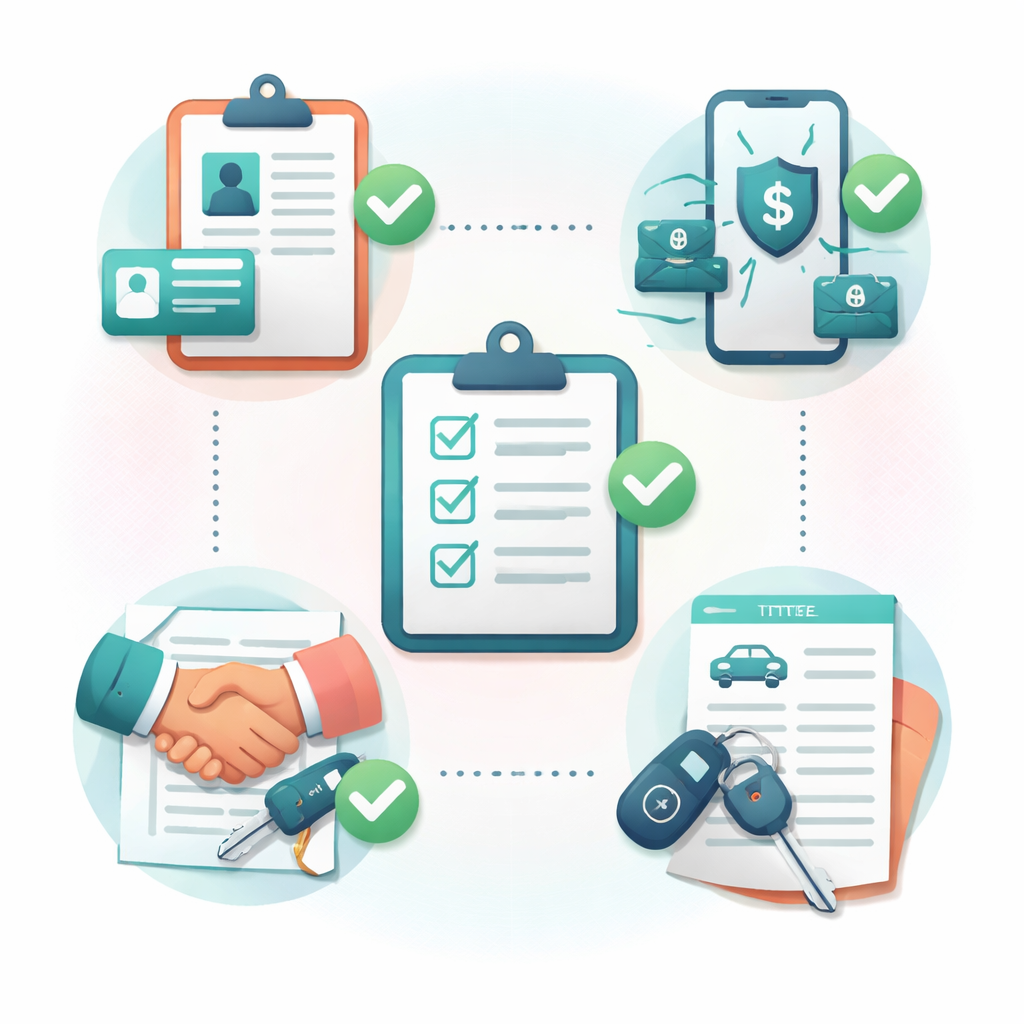
Illustration pour "A secure checklist before you hand over the car and title"
What to do if you think you are facing a scam
If something feels wrong, pause the sale immediately. Do not send refunds, do not release the car, and do not continue the conversation until you verify the facts independently.
Take these steps right away:
- stop communicating through the buyer's preferred urgent channel
- contact your bank using official contact details
- preserve all emails, texts, screenshots, and call logs
- report the buyer profile to the listing platform
- if money was sent, contact your bank immediately to discuss recovery options
- if identity theft or impersonation is involved, report it to local authorities
If the buyer has already collected the vehicle, act fast. Report the incident to police, your insurer if relevant, and the marketplace where the car was listed.
Time matters because some fraud losses become harder to trace once funds move across multiple accounts or jurisdictions. Quick reporting improves the chance of freezing or tracing activity, even if recovery is not guaranteed.
Do not confront the scammer with too much detail
It is usually better to stop engaging than to argue. If you reveal exactly what you discovered, the scammer may switch tactics, delete evidence, or target you again from another identity.
Keep your response brief, preserve the records, and move the case to your bank, platform, or law enforcement channels.
How to sell a car privately with less fraud risk
The best defense against a wire transfer scam private car sale is a process that makes fraud difficult from the start. That means setting clear rules in your listing, screening buyers early, and refusing any arrangement that depends on trust alone.
Use these practical habits:
- state that the buyer must inspect or verify the vehicle properly
- refuse overpayments and third-party shipping fee requests
- insist that all names match across ID, payment, and paperwork
- avoid moving off-platform too early
- never rely on screenshots as proof of payment
- schedule handover only after independent confirmation
- use a technical intermediation platform when you want a more structured secured payment flow
A serious buyer will usually accept transparent rules. Scammers look for sellers willing to improvise.
When the transaction is documented from listing to handover, fraud becomes harder to execute. That is why process discipline matters more than instinct alone.
Questions fréquentes
Can a wire transfer be fake in a private car sale?
Yes. In a wire transfer scam private car sale, the buyer may send a fake receipt, a spoofed bank email, or a screenshot that looks genuine. Always verify through your bank's official channels before handing over the car or title.
What are the main wire transfer fraud signs when selling a car?
The main wire transfer fraud signs include instant agreement on price, refusal to inspect the car, overseas stories, third-party pickup, overpayment requests, and pressure to release the vehicle before funds are confirmed. Any mismatch between buyer identity and payer details is also a major red flag.
Is an overseas buyer always a scam in a private car sale?
No, but the overseas wire transfer scam is common enough that sellers should be cautious. If the buyer is abroad, insists on remote payment proof, and sends a shipper instead of appearing in person, the risk is much higher.
How does the fake buyer overpay scam work?
The fake buyer overpay scam happens when the buyer claims to have sent more than the sale price and asks you to refund the difference or pay a transporter. Once you send money, the original payment is discovered to be fake, reversed, or not fully cleared.
Should I accept a wire transfer for a private car sale?
A wire transfer is not automatically unsafe, but it is only as safe as the verification process around it. You should confirm cleared funds through official bank channels, match identities carefully, and avoid any pressure to release the vehicle early.
What is the safest way to sell a car privately?
The safest method combines identity verification, written documentation, and a controlled transaction process. Many sellers prefer a secured payment flow through a technical intermediation platform, with payment services provided by Stripe, especially for higher-value sales.
What should I do if I already shared my bank details with a suspicious buyer?
Basic bank details alone do not always lead to loss, but you should still contact your bank and explain the situation. Monitor your account closely, preserve all messages, and stop the transaction until the buyer's identity and payment can be independently verified.
Conclusion
A wire transfer scam private car sale is effective because it mixes believable payment language with pressure, distance, and confusion about when money is truly secure. Sellers who slow the process down, verify independently, and document every step are much harder to deceive.
If you want to reduce risk, focus on process rather than promises. A structured transaction, clear identity checks, and a secured payment flow through a technical intermediation platform can make a private vehicle sale far safer, with payment services provided by Stripe.
Quick recap:
- never trust screenshots or emailed payment confirmations alone
- treat overseas stories and third-party pickup with caution
- refuse any overpayment or refund request
- verify cleared funds through official channels only
- release the car and title only after all checks are complete
- use a documented process for higher-value private sales
Protect your next transaction with TrustProtect
Payment held by Stripe until validation. Buyer protected, seller paid upon validation.
Create a free accountReady to secure your next transaction?
TrustProtect organizes a secure journey between buyer and seller. Payment via Stripe, validation on the platform.