

PayPal Friends and Family Scam: How to Recover Fast
Sent money through PayPal Friends and Family and got scammed? Here is a clear recovery plan, what PayPal may review, and safer next steps.
PayPal Friends and Family Scam: How to Recover Fast
PayPal friends and family scam how to recover is a common search because many people discover too late that this payment type offers limited buyer protection. If you sent money for goods, services, or to someone impersonating a trusted contact, fast action matters. The right steps can improve your chances of recovery, preserve evidence, and help you avoid a second scam during the refund process.
What PayPal Friends and Family means for scam recovery
PayPal Friends and Family is designed for personal transfers between people who know and trust each other. It is not intended for buying goods or services, which is why recovery options are narrower when a transaction turns into a scam.
This is the first thing to understand in any paypal friends and family scam how to recover case: the payment type itself affects what protections may apply. If you used it to pay a seller, PayPal may treat the transaction differently than a standard purchase.
Typical scam scenarios include:
- paying for an item that never arrives
- sending money to a hacked or impersonated account
- being pressured to use Friends and Family to avoid fees
- receiving fake shipping proofs or edited screenshots
- being redirected off-platform after seeing a marketplace listing
A key distinction matters here:
- Unauthorized transaction: someone accessed your account or payment method without permission
- Authorized but fraudulent deal: you sent the money yourself, but the seller lied or disappeared
That difference can change whether PayPal, your bank, or your card issuer has any review path available.
First 24 hours: the exact steps to take after sending money
If you are dealing with paypal friends and family scam how to recover, your first day matters most. Preserve evidence before the scammer deletes messages, changes usernames, or blocks you.
Start with these actions in order:
- take screenshots of the PayPal transaction page
- save the recipient email, username, phone number, and profile URL
- export chats, emails, invoices, and marketplace messages
- capture the original listing, item description, and promised delivery terms
- note dates, times, IP alerts, and device notifications if account access looks suspicious
- stop further contact if the scammer starts asking for extra fees or "verification" payments
Then secure your PayPal account immediately:
- change your password
- enable two-factor authentication
- review linked cards and bank accounts
- check recent logins and security alerts
- remove unknown devices or permissions
If the payment was truly friends and family unauthorized, report it as possible unauthorized activity through PayPal without delay. Be precise and factual when describing what happened.
What evidence helps most
The strongest evidence usually includes:
- the transaction ID
- proof the seller advertised goods or services
- messages showing pressure to use Friends and Family
- contradictory statements about shipping or identity
- evidence that the account was impersonated or compromised
If the scam involved a hacked friend or family contact, gather proof of the real person's later confirmation that they did not request the payment.
How to contact PayPal effectively
Keep your explanation short and structured. State whether the issue is unauthorized access, impersonation, or seller fraud, then attach the most relevant evidence in chronological order.
Avoid emotional or vague wording like "I just got scammed badly." A clearer format is: transaction date, amount, recipient, reason sent, what was promised, what happened next, and why you believe the transfer was fraudulent.
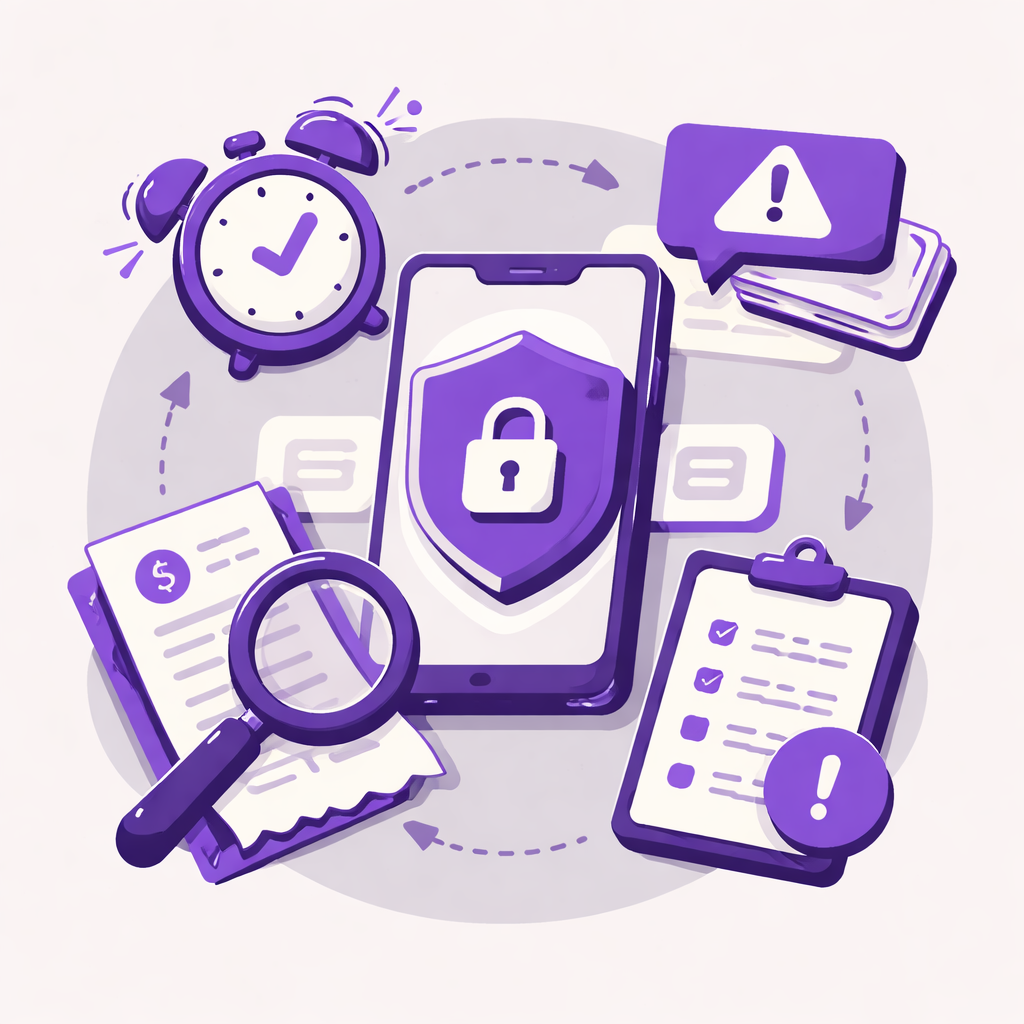
Illustration pour "First 24 hours: the exact steps to take after sending money"
Can you get money back from a Friends and Family payment?
The honest answer is: sometimes, but not reliably. In a paypal friends and family scam how to recover case, the outcome depends on whether the payment was unauthorized, how it was funded, and whether any external dispute rights exist.
Here is a practical comparison of common scenarios:
| Scenario | Recovery chance | Main route to try | Notes |
|---|---|---|---|
| PayPal account hacked and payment sent without your consent | Moderate | Report unauthorized transaction to PayPal | Fast reporting and login evidence matter |
| You willingly sent Friends and Family to a fake seller | Low | Contact PayPal, then check bank/card options | Buyer protection is usually limited |
| Payment funded by credit card | Low to moderate | Ask card issuer about dispute rights | Outcome depends on issuer rules and facts |
| Payment funded by bank transfer or balance | Low | PayPal review, bank inquiry | Fewer external protections |
| Recipient was an impersonated friend or family member | Moderate | PayPal report plus identity evidence | Strong proof of impersonation helps |
Still, you should not assume recovery is impossible. Some cases succeed because:
- the account was compromised
- the recipient used deception tied to impersonation
- the funding source allows a separate review
- the evidence shows a clear pattern of fraud
Friends and family unauthorized vs authorized scam: why it changes everything
Many users confuse an unauthorized transaction with a scam they agreed to. That confusion can weaken your report, so it is important to classify the event correctly.
A friends and family unauthorized payment means you did not approve the transfer. Examples include account takeover, stolen credentials, SIM swap access, or someone using a saved device without permission.
An authorized scam means you clicked send yourself because you believed a false story. Common examples are fake sellers, romance scams, emergency impersonation, and ticket fraud.
Use this distinction:
- say "unauthorized" only if you truly did not approve the payment
- say "impersonation" if you were tricked by a fake identity
- say "seller fraud" if you paid for goods or services that were misrepresented or never delivered
If you mislabel the case, the review may focus on the wrong issue. That can delay the process and reduce credibility.
Signs the transaction may be unauthorized
Look for these indicators:
- password reset emails you did not request
- login alerts from unknown devices or locations
- linked cards or bank accounts changed without your action
- multiple transactions in a short period
- security settings altered unexpectedly
If these signs exist, include them in your report and keep copies of every alert.
Signs it was an authorized but deceptive payment
These patterns are more typical of a scam you approved:
- the seller insisted on Friends and Family only
- the price was unusually low or urgent
- the listing disappeared after payment
- tracking numbers were fake, recycled, or unrelated
- the recipient stopped responding after receiving funds
In those cases, your best strategy is evidence preservation and checking every possible dispute path tied to the funding source.
How bank and card disputes may still help in a p2p payment dispute
A PayPal transfer can be funded in different ways, and that matters. In some p2p payment dispute cases, your bank or card issuer may have its own review process even when PayPal protection is limited.
The funding source usually falls into one of these categories:
- PayPal balance
- linked bank account
- debit card
- credit card
Credit cards sometimes offer the strongest external dispute route, but outcomes vary by issuer, jurisdiction, and facts. Debit card and bank-funded payments may be harder, though you should still ask what review options exist.
When contacting your bank or card issuer, be ready to provide:
- the PayPal transaction ID
- the amount and date
- the recipient details
- proof of fraud or impersonation
- screenshots showing the seller required Friends and Family
- any PayPal case number already opened
Do not assume the answer is automatically yes or no. Ask specifically whether there is a dispute, chargeback, fraud claim, or other review path for the way the payment was funded.
Questions to ask your bank or card issuer
Use direct questions such as:
- Was this transaction funded by my card or bank account in a way that allows review?
- Should I file it as fraud, unauthorized use, or a merchant dispute?
- What evidence do you need from me today?
- Is there a deadline to submit documents?
- Will opening a PayPal case affect your process?
Write down the representative's name, date, and reference number for every call.
Illustration pour "How bank and card disputes may still help in a p2p payment dispute"
How scammers manipulate sellers and buyers on PayPal
The search term paypal seller scam recovery covers more than one pattern. Some scams target buyers, while others target sellers with fake payment confirmations, overpayment tricks, or pressure to ship before funds are visible.
For buyers, the most common tactics include:
- fake marketplace listings with urgent deadlines
- requests to move off the original platform
- claims that Friends and Family is "faster" or "required"
- edited screenshots pretending payment or shipping is complete
For sellers, common tricks include:
- fake PayPal emails saying payment is pending until shipment
- buyers who claim they accidentally overpaid
- requests for gift cards, refunds, or forwarding fees
- social engineering to make the seller act before verifying the transaction inside PayPal
The same rule applies to both sides: trust the transaction details shown inside your actual account, not screenshots, forwarded emails, or chat claims.
If you are researching paypal seller scam recovery, separate these two situations:
- seller as victim of fake payment or overpayment fraud
- buyer as victim of a fake seller after using Friends and Family
The evidence and recovery path are different in each case.
What not to do after a PayPal Friends and Family scam
People often make the loss worse after the first scam. A second wave of fraud commonly appears through fake recovery agents, impersonated support staff, or people promising guaranteed refunds.
Avoid these mistakes:
- paying anyone upfront to recover your money
- sharing one-time codes, backup codes, or card PINs
- deleting chats because they are upsetting to read
- threatening the scammer in ways that cause them to erase evidence
- filing inconsistent stories with PayPal, your bank, and the police
- sending identity documents to unverified contacts
Keep your timeline consistent across every report. If the facts are uncertain, say so clearly rather than guessing.
That discipline matters in any paypal friends and family scam how to recover process because reviewers compare dates, amounts, and explanations across systems.
How to report the scam and build a stronger case
Even when recovery is uncertain, reporting still matters. It creates a documented record, may support account reviews, and can help identify repeat fraud patterns.
Your reporting checklist should include:
- PayPal report or case submission
- bank or card issuer contact if applicable
- marketplace report if the scam began on a selling platform
- local police or cybercrime report where appropriate
- identity theft report if your account or personal data was compromised
A strong case file is organized, not just emotional. Build one folder with:
- transaction screenshots
- chat exports
- listing captures
- profile links and usernames
- shipping claims and tracking evidence
- notes from every support call
If the scam involved a technical intermediation platform in another transaction context, keep records of the secured payment flow, user identities, and communication logs. In some peer-to-peer deals, a structured platform process can reduce ambiguity compared with direct personal transfers.
Payment services provided by Stripe can support a secured payment flow on certain technical intermediation platforms, which differs from informal person-to-person transfers. That distinction is useful when comparing safer ways to transact in the future.
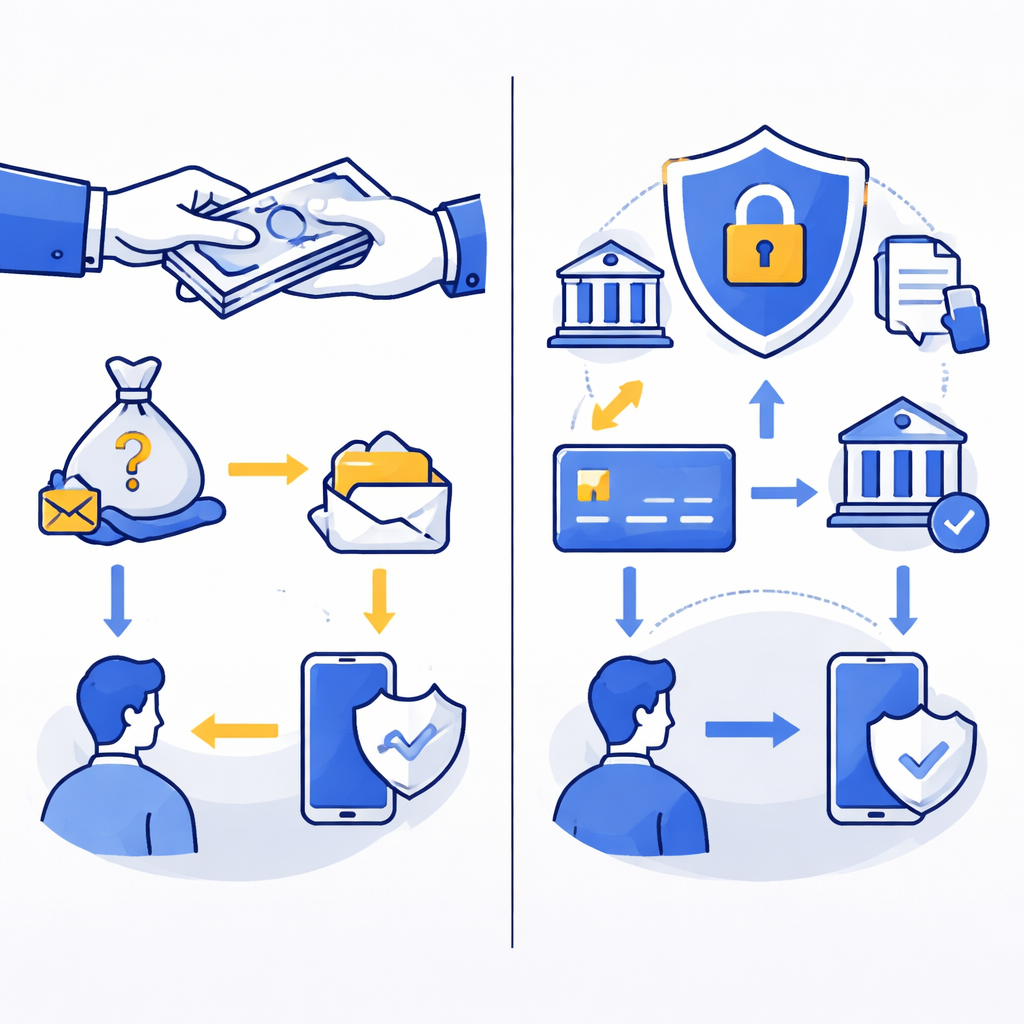
Illustration pour "How to report the scam and build a stronger case"
Safer alternatives for future peer-to-peer transactions
The best recovery strategy is prevention next time. If you are buying from someone you do not know personally, avoid payment methods designed only for trusted personal transfers.
A safer transaction setup usually includes:
- identity checks or verified user profiles
- clear item descriptions and timestamps
- documented acceptance of terms
- a secured payment flow through a recognized provider
- traceable communication inside the platform
Here is a simple comparison:
| Method | Best use case | Main risk | Documentation level |
|---|---|---|---|
| PayPal Friends and Family | Personal transfers to trusted contacts | Limited recourse for purchase scams | Low to medium |
| Standard marketplace checkout | Buying goods on established platforms | Platform-specific limits | Medium to high |
| Technical intermediation platform with payment services provided by Stripe | Higher-value peer-to-peer transactions needing process and traceability | Requires both parties to follow platform steps | High |
Questions fréquentes
Can I get my money back if I used PayPal Friends and Family for a scam?
Sometimes, but it is harder than with a standard purchase payment. If the transfer was unauthorized, or if your card issuer offers a review path, recovery may still be possible. In any paypal friends and family scam how to recover case, act quickly and preserve evidence.
What does friends and family unauthorized mean on PayPal?
Friends and family unauthorized means the payment was sent without your permission, such as through account takeover or unauthorized device access. It is different from a scam where you sent the money yourself after being deceived.
Should I contact PayPal or my bank first after a Friends and Family scam?
Usually both, as soon as possible. Report the issue to PayPal to create a platform record, then contact your bank or card issuer to ask whether the funding source allows a dispute, fraud claim, or other review.
Can I dispute a PayPal Friends and Family payment with my credit card?
Possibly. If the PayPal transfer was funded by a credit card, your card issuer may have its own process depending on the facts and local rules. Ask specifically about fraud, unauthorized use, or dispute rights tied to the underlying card transaction.
What evidence helps in a paypal seller scam recovery case?
Useful evidence includes the transaction ID, listing screenshots, chat logs, proof the seller requested Friends and Family, fake tracking details, and any signs of impersonation or account compromise. Organized evidence is more useful than long emotional explanations.
Is a p2p payment dispute easier if I paid from PayPal balance or bank account?
Usually not. In a p2p payment dispute, balance- or bank-funded transfers often have fewer external recovery options than card-funded payments. You should still ask your bank what review path, if any, may apply.
Can police help with a PayPal Friends and Family scam?
Police reports do not guarantee reimbursement, but they can create an official record and support your broader case. This can be especially useful in impersonation, identity theft, or repeated fraud patterns.
Conclusion
A paypal friends and family scam how to recover situation is difficult, but not always hopeless. Your best chance comes from moving fast, classifying the transaction correctly, preserving evidence, and checking every available review path through PayPal and the funding source.
If the payment was truly unauthorized, say so clearly and support it with account-access evidence. If you authorized the transfer but were deceived, focus on documenting the fraud, the seller's behavior, and any card or bank options that may still apply.
Recap of the most important steps:
- secure your PayPal account immediately
- save all transaction and chat evidence
- report the issue to PayPal with a clear timeline
- contact your bank or card issuer about dispute options
- avoid recovery scams and second-payment traps
- use safer, documented payment processes for future peer-to-peer deals
For future transactions with strangers, choose methods that create stronger records and a secured payment flow. Technical intermediation platforms with payment services provided by Stripe can offer more structure than informal personal transfers, which helps reduce risk before a dispute starts.
Protect your next transaction with TrustProtect
Payment held by Stripe until validation. Buyer protected, seller paid upon validation.
Create a free accountReady to secure your next transaction?
TrustProtect organizes a secure journey between buyer and seller. Payment via Stripe, validation on the platform.