

Facebook Marketplace Scams: How to Avoid Costly Mistakes
A practical guide to spotting fake buyers, dishonest sellers, and payment tricks on Facebook Marketplace before they turn into real losses.
Facebook Marketplace Scams: How to Avoid Costly Mistakes
Facebook marketplace scams how to avoid is one of the most important questions for anyone buying or selling locally online. Facebook Marketplace is convenient, but it also attracts fraudsters who exploit urgency, fake profiles, and unsafe payment requests. If you know the warning signs, verify the other party, and use a secured payment flow, you can reduce the risk of losing money, goods, or personal data.
What are the most common Facebook Marketplace scams?
The most common Facebook Marketplace scams target trust, speed, and inattention. Fraudsters often pretend to be serious buyers or legitimate sellers, then push you toward unsafe payment methods, fake confirmations, or suspicious links.
If you understand how facebook marketplace scams how to avoid works in practice, you can identify patterns before the transaction becomes risky. Most schemes fall into a small number of repeatable tactics.
Common scam types include:
- Fake buyer messages asking for your email or phone number to send a "payment confirmation"
- Overpayment scams where the buyer claims to have sent too much and asks for a refund
- Fake shipping arrangements with forged courier or insurance requests
- Deposit scams for vehicles, rentals, electronics, or high-demand items
- Counterfeit listings using stolen photos and unrealistically low prices
- Account takeover attempts through fake verification codes or login links
A typical facebook seller scam starts with a believable profile and a simple message like "Is this still available?" The scam appears only after the conversation shifts to payment, shipping, or identity verification.
For buyers, the risk is paying for an item that does not exist, is counterfeit, or is never shipped. For sellers, the risk is handing over the item after receiving a fake payment screenshot or fake bank message.
Why Facebook Marketplace attracts fraud
Marketplace is popular because it is fast, local, and easy to use. Those same features also make it attractive to scammers who can create new profiles quickly and contact many users at scale.
Unlike a specialized marketplace with stricter transaction controls, many deals on Facebook depend on direct messaging and informal trust. That creates more room for fb marketplace fraud when users skip verification.
Who is most often targeted
Scammers usually target people selling high-demand items or buyers chasing unusually cheap deals. Electronics, game consoles, phones, cars, designer goods, furniture, and rental listings are frequent targets.
New users are especially vulnerable because they may not recognize common marketplace scam signs. However, experienced users can also be tricked when a scammer creates urgency or imitates a familiar payment process.
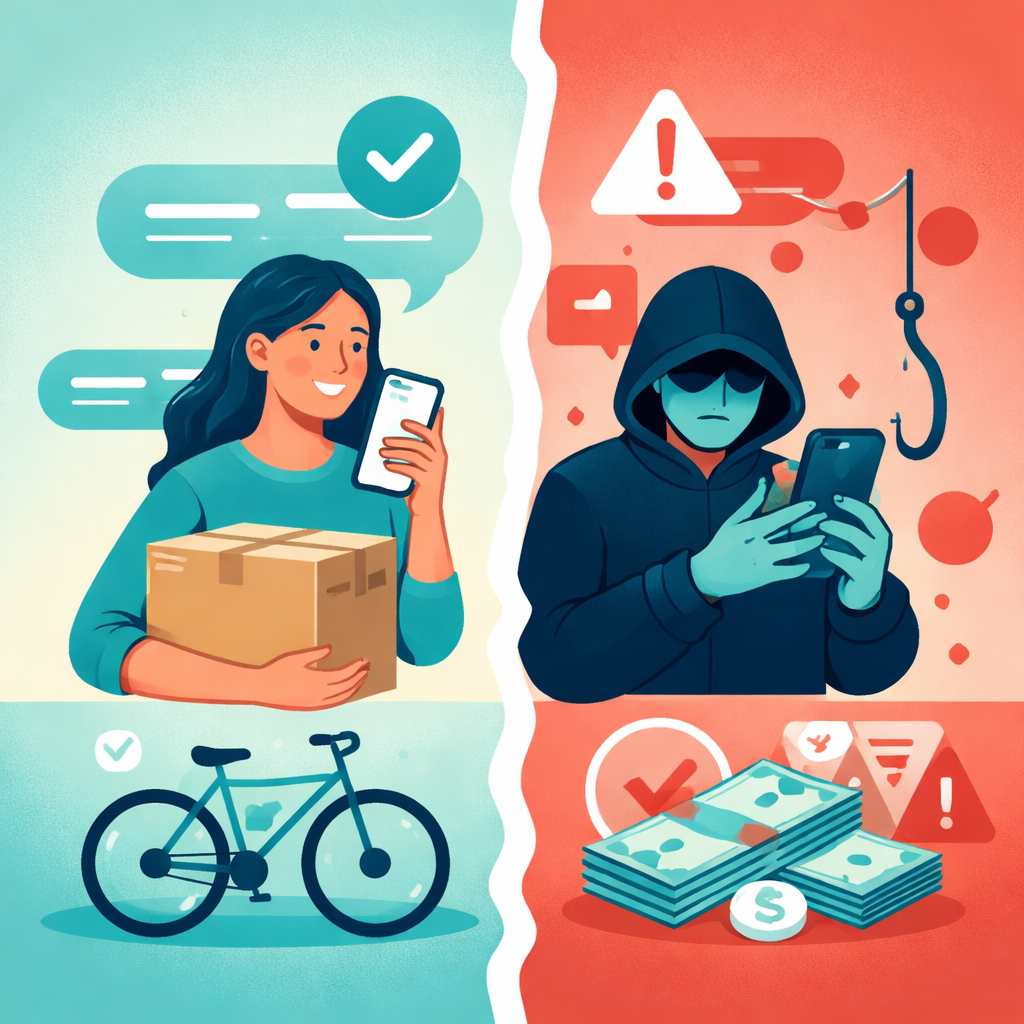
Illustration pour "What are the most common Facebook Marketplace scams?"
Facebook marketplace scams how to avoid before you message anyone
The safest transaction starts before the first message. A few minutes of checking the listing and profile can eliminate many risky deals.
When evaluating facebook marketplace scams how to avoid, prevention is more effective than recovery. Once money is sent or an item is handed over, your options become limited.
Use this pre-contact checklist:
- Review the seller or buyer profile age and activity
- Look for a real profile photo, normal posting history, and local consistency
- Check whether the listing price is unrealistically low compared with market value
- Reverse-search listing photos if the item looks copied from another site
- Read the description carefully for vague wording or contradictions
- Watch for pressure phrases like "many people interested" or "pay now to reserve"
A legitimate seller usually answers specific questions about condition, purchase date, accessories, and pickup details. A scammer often avoids detail and tries to move quickly to payment.
A legitimate buyer usually asks practical questions and agrees on a clear meeting plan. A scammer may immediately ask for your email, insist on shipping, or claim they are buying for a relative without seeing the item.
Red flags in the listing itself
Listings often reveal the scam before the conversation begins. If the price is dramatically below market value, assume there is a reason.
Watch for these listing red flags:
- Stock photos instead of real item photos
- No close-ups of damage, serial numbers, or packaging details
- Generic descriptions with little product information
- Multiple identical listings in different locations
- A story that explains why the deal must happen immediately
Red flags in the profile
Profiles can help you assess whether the person appears established and consistent. No single sign proves fraud, but several signs together increase risk.
Profile red flags include:
- Recently created account with little activity
- No friends, no local context, or inconsistent location details
- Marketplace history that looks copied or repetitive
- Name and profile photo that do not match normal behavior
- Refusal to speak by phone or answer basic questions
Marketplace scam signs buyers should never ignore
Buyers are often targeted through fake listings, fake shipping promises, and pressure to pay before inspection. The scam works by making the deal look rare, urgent, or unusually profitable.
If you want to master facebook marketplace scams how to avoid, learn the warning signs that appear just before money changes hands. These are the moments when fraud becomes visible.
Key marketplace scam signs for buyers:
- The seller refuses in-person inspection for a local item
- The seller says many others want the item and demands a deposit immediately
- The seller claims to be away, deployed, traveling, or selling for someone else
- The seller asks you to continue on another app or by email too early
- The seller sends a link for payment or "verification"
- The seller avoids showing additional photos or a live video of the item
High-value goods need extra caution. Ask for timestamped photos, a short video, or a live call showing the item from multiple angles.
If the seller insists on advance payment, ask yourself what protection you actually have. If there is no verifiable process and no secured payment flow, the risk is high.
Fake shipping and fake courier messages
A common buyer scam involves a seller who claims the item can be shipped if you pay quickly. Soon after, you may receive a fake courier email asking for insurance, customs, or refundable processing fees.
These messages are designed to look official, but they are part of the fraud. Never trust a shipping request that appears only after an informal chat and cannot be independently verified.
Counterfeit and stolen goods
Not every scam is a fake listing. Some sellers do have an item, but it may be counterfeit, stolen, or materially different from the description.
For branded goods, ask for proof of purchase, serial numbers, and close-up photos. If the seller becomes defensive when you request normal verification, walk away.
Facebook seller scam tactics that target people listing items
Sellers face a different set of risks. The buyer may seem eager and polite, but the goal is often to trick you into handing over the item or sending money back.
Understanding the facebook seller scam pattern is essential because many scams now target sellers more aggressively than buyers. Fraudsters know sellers are motivated to close quickly.
Common scams aimed at sellers include:
- Fake payment screenshots claiming the transfer is complete
- Messages saying a family member or courier will collect the item
- Overpayment schemes asking you to refund the difference
- Requests for your email to send a fake payment notice
- Fake business account upgrade messages requiring a fee
- Verification code requests that can help hijack your account
A serious buyer does not need your login details, a verification code, or a refund before collecting the item. They also do not need you to trust a screenshot over a confirmed transaction status.
When selling, never release the item based on a message, image, or email alone. Only proceed when the payment status is independently confirmed through the relevant service.
The overpayment scam explained
In an overpayment scam, the buyer claims to have sent more than agreed. They ask you to return the difference quickly, often before you realize the original payment was fake, reversible, or never completed.
This tactic works because it creates confusion and urgency. If you send money back, your loss becomes real even if the original transfer disappears.
Fake payment confirmations
Scammers often send emails or screenshots that imitate payment providers. The message may say the funds are pending until you provide tracking information, pay a fee, or upgrade an account.
Do not rely on what the buyer forwards to you. Check the payment status directly through the official service, and remember that payment services are provided by Stripe when using platforms that integrate Stripe Connect Express.
How to pay and get paid more safely on Marketplace
Payment is where most losses happen. The safest approach is to use a verifiable, traceable method and avoid any request that adds unnecessary steps, fees, or off-platform links.
For anyone researching facebook marketplace scams how to avoid, payment discipline is one of the strongest protections. If the payment process feels unusual, stop and reassess.
Safer payment habits include:
- Prefer in-person inspection before payment for local deals
- Use a secured payment flow when available through a trusted technical intermediation platform
- Confirm transaction status directly in the official interface before handing over goods
- Keep all messages, receipts, and item details documented
- Avoid paying deposits unless the risk is justified and verification is strong
- Never send extra money for "account upgrades," insurance, or release fees
Here is a practical comparison of common payment situations:
| Situation | Risk level | Why |
|---|---|---|
| In-person inspection and confirmed payment status | Lower | You can verify the item and the transaction before completing the exchange |
| Deposit requested for a local item without proof | High | Scammers use urgency to collect money before you verify anything |
| Screenshot of payment only | High | Screenshots can be edited or fabricated |
| Payment link sent in chat by unknown party | Very high | May lead to phishing or unauthorized charges |
| Secured payment flow through a trusted platform | Lower | Adds verification and traceability to the transaction process |
TrustProtect operates as a technical intermediation platform for peer-to-peer transactions. Payment services are provided by Stripe, which supports a secured payment flow designed to reduce common transaction risks.
That matters because many Marketplace scams depend on informal, unverifiable payment claims. A structured process is harder to manipulate than a screenshot in a chat window.
Why screenshots are not proof
A screenshot shows only what someone wants you to see. It does not confirm that the payment was authorized, settled, or even initiated.
Always verify through the official payment interface. If you cannot independently confirm the status, do not continue with the handover.
When deposits are especially risky
Deposits can make sense in limited cases, but they are frequently abused in fb marketplace fraud. Cars, rentals, pets, event tickets, and scarce electronics are common categories where scammers demand money before any meaningful verification.
If a seller insists on a deposit, ask what objective proof exists that the item is real, available, and controlled by that person. If the answer is weak, decline.
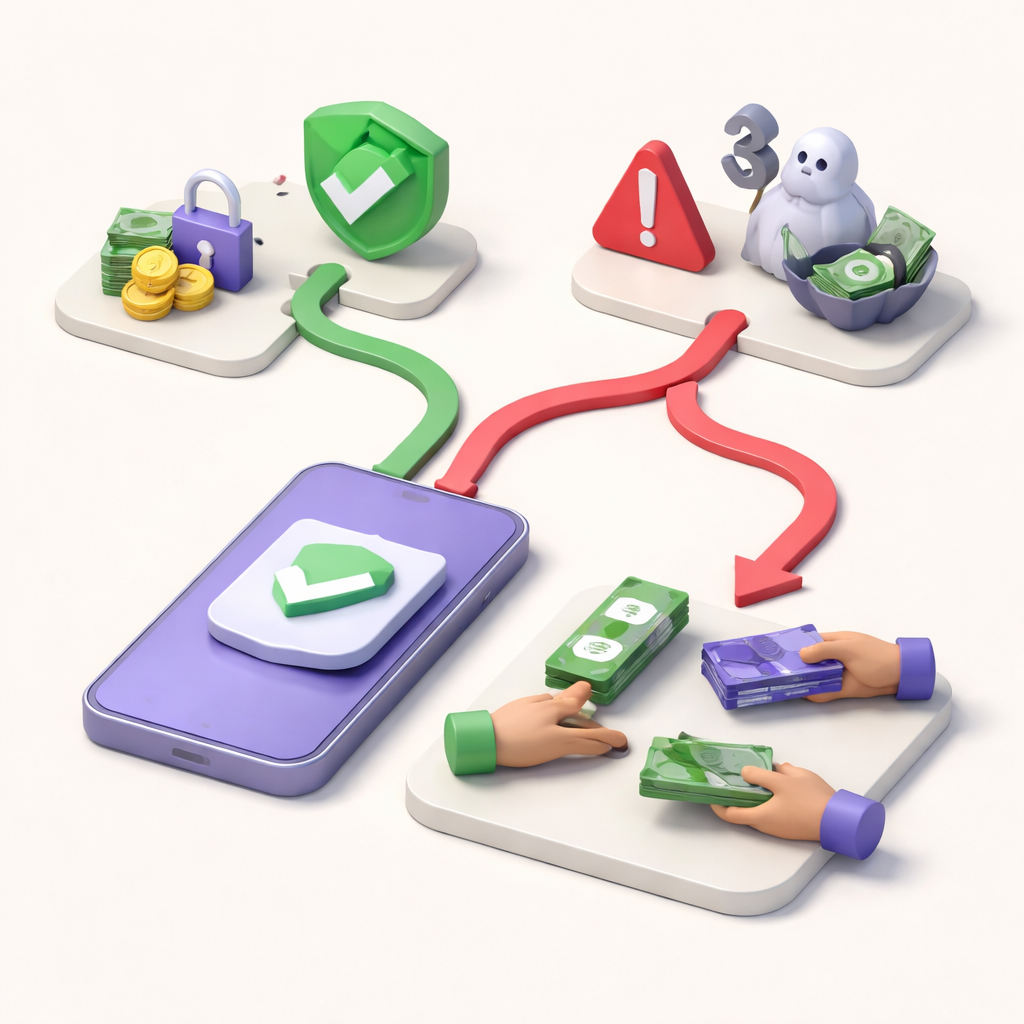
Illustration pour "How to pay and get paid more safely on Marketplace"
Safe meeting, delivery, and communication practices
A safe transaction is not only about payment. Meeting conditions, communication habits, and delivery choices also affect your risk.
Many cases of facebook marketplace scams how to avoid could be prevented by setting clear rules for where, when, and how the exchange happens. Fraud thrives in ambiguity.
Best practices for in-person deals:
- Meet in a public, busy location during daylight hours
- Bring another person for high-value transactions when possible
- Test electronics, vehicles, or appliances before finalizing the deal
- Avoid changing the meeting point at the last minute without a good reason
- Do not invite strangers to your home unless necessary
- Keep communication inside Messenger until trust is established
For shipped items, use extra caution. Shipping creates distance, removes immediate inspection, and gives scammers more opportunities to invent fees or excuses.
If delivery is involved, document everything:
- Photos and videos of the item before dispatch
- Tracking details from the official carrier site
- Full message history with agreed terms
- Proof of packaging and item condition
How scammers use urgency in meetings
A scammer may say they are already on the way, that another buyer is waiting, or that they need the item collected immediately. The goal is to make you skip checks you would normally do.
Slow the process down. A real buyer or seller can usually tolerate a few extra minutes for verification.
Why moving off-platform can be risky
Scammers often push conversations to text, email, or another app early in the process. This can reduce traceability and make it easier to send fake payment notices or phishing links.
Staying on the original platform at first helps preserve evidence and makes suspicious behavior easier to review.
What to do if you think you have been scammed
If you suspect fraud, act quickly. Fast reporting and evidence preservation can improve your chances of limiting damage.
Even if you are unsure, treat the situation seriously. Many victims lose more money by continuing the conversation after the first warning sign.
Immediate steps to take:
- Stop all communication if the person is pressuring you or sending suspicious links
- Save screenshots of the listing, profile, messages, payment details, and emails
- Report the profile and listing to Facebook Marketplace
- Contact your bank or payment provider immediately if money was sent
- Change passwords if you clicked a suspicious link or shared login information
- Enable two-factor authentication on your Facebook and email accounts
If you shared a verification code, assume your account may be at risk. Review login sessions, remove unknown devices, and update security settings immediately.
If the scam involved identity documents, phone number abuse, or account access, monitor for follow-on fraud. Some scammers sell stolen information for later use.
How to report Facebook Marketplace fraud
Use Facebook's reporting tools for the listing, the profile, and the conversation if relevant. Provide concise details and preserve your own evidence even after reporting.
If the amount is significant or identity theft is involved, consider reporting to local law enforcement or the appropriate consumer protection authority in your country.
Can you recover your money?
Recovery depends on how the payment was made, how quickly you act, and whether the transaction can be traced. Informal transfers and direct scams are often harder to reverse.
That is why prevention matters more than recovery. A secured payment flow with clear records generally offers better documentation than an ad hoc transfer arranged in chat.
A practical checklist to avoid fb marketplace fraud every time
The easiest way to reduce risk is to follow the same checklist for every transaction. Consistency protects you from emotional decisions and pressure tactics.
Use this repeatable process for fb marketplace fraud prevention:
- Check the profile age, activity, and local consistency
- Compare the price with normal market value
- Ask specific questions about the item or transaction
- Request additional photos or live proof when needed
- Refuse unusual links, verification requests, or account upgrade fees
- Verify payment status independently before handover
- Meet safely and document the exchange
- Walk away at the first serious inconsistency
This checklist works because most scams reveal themselves when asked for proof. Honest users usually cooperate; scammers usually redirect, delay, or pressure.
If you are selling frequently or handling higher-value items, consider using a technical intermediation platform with a secured payment flow. Payment services provided by Stripe can add structure and traceability that informal arrangements lack.
The goal is not to eliminate all risk, which is impossible in peer-to-peer commerce. The goal is to make fraud difficult, obvious, and not worth the scammer's time.
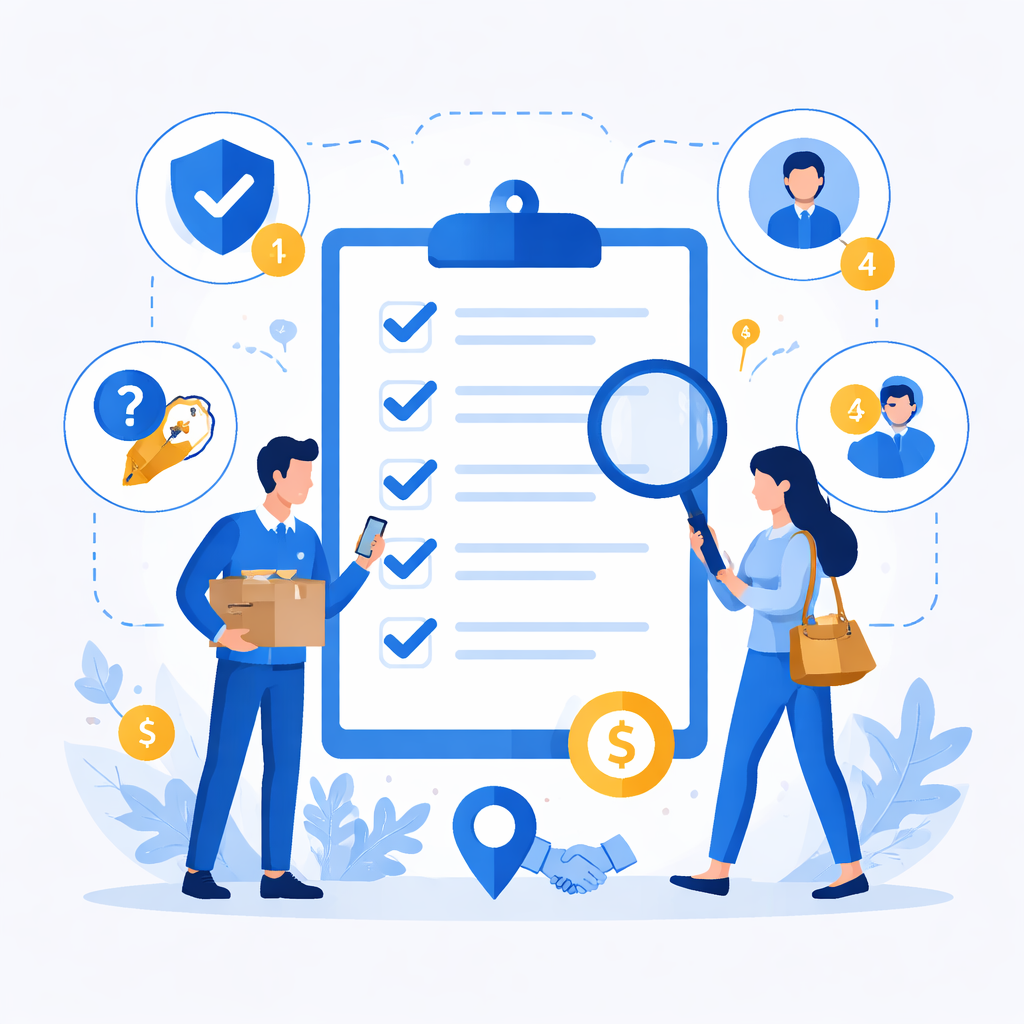
Illustration pour "A practical checklist to avoid fb marketplace fraud every time"
Questions fréquentes
How do I know if a Facebook Marketplace buyer is scamming me?
Common signs include requests for your email, fake payment screenshots, overpayment stories, and pressure to send money back. A buyer who asks for verification codes or wants a courier to collect immediately should be treated as high risk.
What are the biggest marketplace scam signs on Facebook?
The biggest marketplace scam signs are unrealistic prices, refusal to provide proof, urgent deposit demands, suspicious links, and inconsistent stories. If the transaction becomes more complicated instead of clearer, that is a strong warning sign.
Is Facebook Marketplace safe for sellers?
It can be safe if sellers verify the buyer, confirm payment status independently, and never rely on screenshots or forwarded emails. The main risks are fake payment confirmations, overpayment scams, and account takeover attempts.
What is a common Facebook seller scam?
A common facebook seller scam is the fake payment confirmation, where the buyer sends a screenshot or email claiming payment is pending. The seller is then pushed to hand over the item, pay a fee, or refund an overpayment that never existed.
Should I pay a deposit on Facebook Marketplace?
Only with extreme caution. Deposits are one of the most abused tactics in fb marketplace fraud, especially for vehicles, rentals, and high-demand electronics. If you cannot verify the item and the seller properly, do not pay.
What should I do if I clicked a suspicious Marketplace link?
Change your password immediately, enable two-factor authentication, and review recent logins on your Facebook and email accounts. If you entered payment details, contact your bank or payment provider without delay.
Can a secured payment flow reduce Marketplace scam risk?
Yes. A secured payment flow can reduce risk by adding verification, documentation, and a clearer transaction process. On technical intermediation platforms like TrustProtect, payment services are provided by Stripe.
Conclusion
Facebook marketplace scams how to avoid comes down to a simple principle: verify first, pay second, and never let urgency replace evidence. Most scams follow familiar patterns, including fake payments, deposit requests, suspicious links, and stories designed to make you act before you think.
If you build a repeatable safety routine, you will avoid the majority of bad deals. That means checking profiles, asking for proof, confirming payment status independently, and using a secured payment flow when the transaction justifies it.
Key takeaways:
- Learn the recurring marketplace scam signs before you buy or sell
- Treat screenshots, forwarded emails, and urgent deposit requests as high risk
- Never share verification codes or login details with a buyer or seller
- Meet safely, document the exchange, and keep communication traceable
- For higher-risk transactions, consider a technical intermediation platform where payment services are provided by Stripe
The best defense against facebook marketplace scams how to avoid is not luck. It is a process that makes fraud easier to spot and harder to execute.
Protect your next transaction with TrustProtect
Payment held by Stripe until validation. Buyer protected, seller paid upon validation.
Create a free accountReady to secure your next transaction?
TrustProtect organizes a secure journey between buyer and seller. Payment via Stripe, validation on the platform.